

















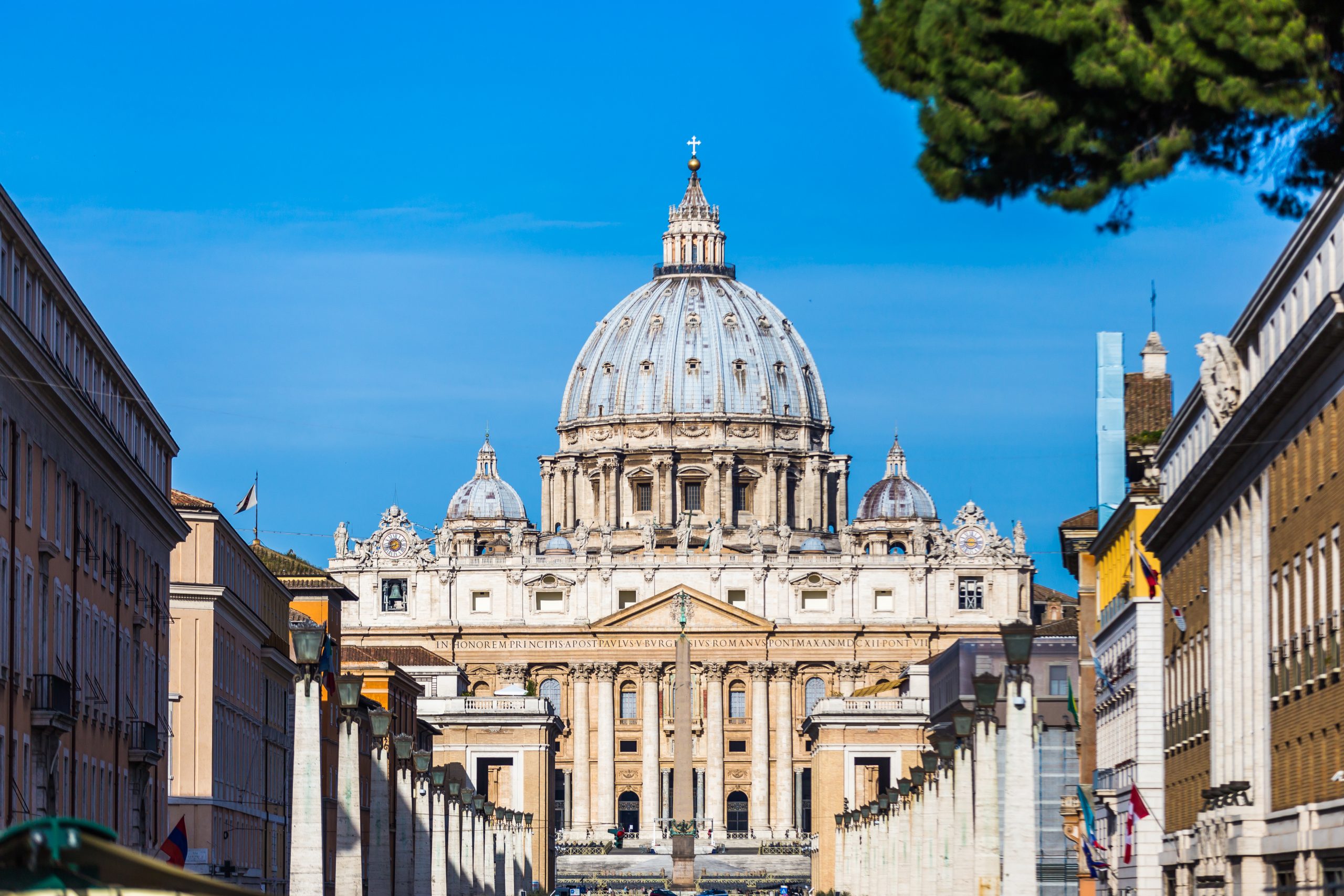
The Conclave: Understanding the Process and Language of the Papal Election
Summary
Papal conclave is crucial for the electing of a new pope, and it is an event that many of us have witnessed via the news. Yet, for many of us, the specifics of how cardinals gather to elect a new pope, what is actually said during the event, and how the world is informed of the new papal leadership are shrouded in some mystery. In this post, we will try to shed some light on the language used during the rite of election itself, as well as on the messaging that happens pre and post-election regarding the new leader of the Catholic Church.
1. What Is the Process of the Conclave?
A conclave is a solemn assembly of the cardinals of the Catholic Church, who gather to elect a new pope. When a pope dies or resigns, the cardinals are called to the Vatican, where the sacred process of selection begins. Conducted in the Sistine Chapel, an election is overseen by a set of rules that Blessed Pope John Paul II established in the apostolic constitution "Universi Dominici Gregis" (UDG) in 1996 and updated in 2007. Secret ballots are cast by each cardinal, and the new pope must have a two-thirds majority of votes in order to be elected. If he does not, another round of voting takes place, sometimes with the cardinals using different kinds of proper incendiary devices as signals to the outside world. The private conclave-upon which nobody may eavesdrop at any time, under any circumstance-seems to have at least two goals. First, its proceedings must be private so that no one knows what happened until it is all over. The second goal is a good, gasoline-like incentive for the conclave to keep moving toward an election. A set of cards and a die keep track of the vote; if the electoral college cannot come up with a winner, it might require some fuel in the form of divine intercession.
2. What Language Is the Conclave Held In?
While the conclave itself is a deeply religious process, the language used for communication plays a crucial role. The official language of the Vatican and the Catholic Church is Latin, which is used for many aspects of Church ceremonies and communications. During the conclave, all discussions, votes, and official matters are conducted in Latin, maintaining the Church’s long-standing tradition.
Latin serves as a unifying language for cardinals who come from all corners of the world, ensuring clear communication among those present, regardless of their native language. While individual cardinals may speak their native tongues, Latin remains the language of record for all proceedings in the conclave. This practice highlights the Vatican's commitment to historical continuity and global unity.
3. In What Language Is the New Pope Announced?
Once the new pope is chosen, the announcement is made by the Dean of the College of Cardinals from the central balcony of St. Peter’s Basilica. All eyes turn to this momentous occasion as the new pope is elected. Traditionally, the announcement is made in Latin, beginning with the phrase, “Annuntio vobis gaudium magnum,” which translates to, “I announce to you with great joy.”
This phrase is followed by the name of the newly elected pope, and he is introduced to the world. The use of Latin in this announcement reflects the Church’s deep connection to its ancient roots and signifies the global importance of the election.
The announcement allows millions around the world to hear the news in the same sacred language that has been used for centuries. The significance of this moment extends far beyond just making the announcement. It is a moment where tradition, faith, and even language seem to converge.
The Latin wording is: "Annuntio vobis gaudium magnum."
The Church and the Vatican have Latin as their official language.
4.Translation Services from The Spanish Group
At The Spanish Group, we get how vital language is in holding traditions, like when choosing a new pope, or in other kinds of critical documents. We provide that same level of professional service when translating into and out of more than 90 languages.
But in my mind, what really sets The Spanish Group apart is its specialized knowledge. You see, the team here has a handle on a huge range of subject areas. They translate the kinds of documents you can write with your left hand (if you have a left hand) in a wide variety of fields: from legal and medical to corporate documents, and stuff you might see in an academic paper.
So, when my company needed to translate an official (and extremely high-stakes) document, we knew exactly where to turn.
If you're curious about the translation industry, visit The Spanish Group's website for some interesting blog posts.
Conclusion
The papal conclave, which boasts a rich history and deep significance, transcends mere religious ceremony to occupy the status of a linguistic event. That
is because, when it comes to this most private of gatherings, communication in the shared Latin of the cardinals is essential to the sacred act of selecting the next pope. Indeed, it is hard to imagine a path to the papacy that does not privilege Latin both in the public and private rites of passage that enclose that event like a bookend.
Language, as we have seen, is not just a tool for communication.
- The conclave is conducted in Latin, bringing together cardinals of diverse tongues.
- The announcement of the new pope is made in Latin, which is a reflection of this Church's tradition.
- The Spanish Group provides translation services that are certified in more than 90 languages.
- Discover additional details concerning translation services and trends at The Spanish Group's site.