


















How to Prepare for ICE Raids: Protecting Yourself and Your Family
Table of Contents
Summary
Asylum raids can be an unnerving and unpredictable experience. However, they can be lived through with some grace and dignity if you do the right things beforehand, in the midst of the raid, and afterward. It's a kind of emergency that an immigration authority conducts in a manner that's not too different from how any law enforcement authority conducts its own emergencies.
Expect the situation to calm down as the agents follow their emergency protocol, allowing you to approach the situation more calmly.
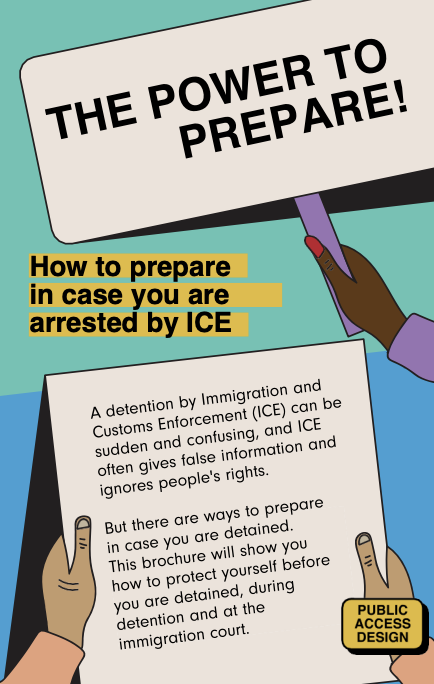
For more information, be sure to check the attached document with additional resources and guidance:
Page 1
1. Understanding ICE Raids
ICE (Immigration and Customs Enforcement) raids in the United States have turned into a major menace, particularly for immigrant communities. These raids can be scary, but understanding what they entail and how best to react can tip the scales in your favor.
What is an ICE Raid?
An ICE raid happens when ICE agents carry out an operation to detain people they think are in the country illegally. These raids usually occur in workplaces, homes, or public spaces. The primary aim is to find undocumented immigrants and take them away for deportation.
ICE is aggressive in carrying out these kinds of enforcement actions, and the consequences of a raid can be severe. If someone you know is living without legal immigration status, here’s what you both need to know to stay safe and handle the situation as best as possible.
Who is at Risk?
While ICE pursues individuals who lack legal immigration status, it is also true that some individuals are targeted because of their prior history. High-Risk Groups: Individuals with a prior deportation order. Individuals who have been previously detained by local law enforcement. Individuals who have had previous interactions with border control or immigration authorities. Individuals living without proper immigration status.
How to Prepare in Advance
Preparation is key when it comes to dealing with ICE. A plan can help mitigate the risks and reduce the uncertainty that comes with such an event. Start by ensuring that every single person in your household knows their rights— across the board, this is critical. Next, ensure that everyone knows the steps to take when ICE comes knocking.
2. How to Prepare Before Detention
Being ready is very important when it comes to possibly being detained by ICE. Here are some practical steps to help you prepare:
Keep Your Important Documents Secure
As an immigrant, it's vital to have access to all necessary documents. You should keep them in a safe and accessible location. Your must-have documents include:
— Your Green card, work permit, or visa
— Any documents related to your immigration case
— Personal IDs (passport, etc.)
— Family documents (birth certificates, marriage certificates)
Choose a Contact Person
Designate a family member or friend as your emergency contact. This person should be trustworthy and able to follow your instructions precisely. Provide this person with the documents they need to act on your behalf.
Know Your Rights
If approached by ICE agents:
— Remain calm and do not run
— You are allowed to remain silent
— You can ask for an interpreter if you need one
— You can ask to speak with an attorney before answering any questions or providing any documents
— Do NOT give up any documents or sign anything without first checking with your attorney.
Prepare Your Family
If you have children, elderly parents, or dependents, they must know what to do and whom to contact if you are detained
3. What to Do If Detained by ICE
If you find yourself unfortunate enough to be detained by ICE, there are several immediate actions you must take:
1. Ask for Legal Representation.
You have the right to speak with a lawyer. If you don’t have one, insist on not answering any questions until you have legal representation.
2. Stay Calm and Collect Your Thoughts.
ICE agents may try to pressure you into signing documents or answering questions. Don’t let them force you into providing information or signing anything that could later be used against you.
3. Remember Your Rights.
You don’t have to answer questions about where you were born or how you entered the country. You have the right to remain silent, and it’s a good idea to do so until your lawyer can assist you.
4. Document Everything.
Keep a record of your detention. If possible, note the names and badge numbers of the officers who are involved.
4. Protecting Your Rights During Immigration Court
If you are detained by ICE, you will most likely have to go before an immigration judge. Here are some tips to keep in mind to help protect yourself during these proceedings:
Request an Interpreter
If you do not understand the proceedings, ask for an interpreter, and do not be shy about it. You have every right to a translator who can help you understand what is going on.
Read Documents Carefully
At the first hearing, you will be given a whole set of documents regarding your case. Pay very careful attention to each document you are given. If there is anything in the documents that is incorrect, be sure to tell the judge immediately.
Request More Time If Needed
If you have not had the chance to talk to a lawyer or gather any necessary documents, you can ask the judge to postpone the hearing.
Prepare for your Bond Hearing
If you are given a bond hearing, it is very important that you present any and all documents that support your case for release; documents that can show you have strong family ties in this country or that you are gainfully employed. You need a chance to legally remain here while your immigration case is sorted out.
Documents that show you have strong family ties in this country or that you are gainfully employed may help you get a bond.
5. Resources for Support and Legal Help
There are a variety of resources to help during an ICE raid or immigration court proceeding. Many community-based organizations specialize in assisting immigrants, from providing legal services to offering emotional support. Seek out local immigrant advocacy groups or consult resources like:
-
The Immigrant Legal Resource Center (ILRC)
-
The American Civil Liberties Union (ACLU)
-
Advocates for Immigration Rights & Reform
Financial Assistance for Bond
In some cases, you may need to post bond for your release. Look for organizations that help pay bonds or assist with finding affordable immigration lawyers.
Conclusion
Confronting an ICE raid or detention can be one of the most pressure-filled episodes in an immigrant's life. But you can lessen the impact of these events by preparing in advance and knowing your rights. It is vital to understand what steps to take before, during, and after a detention. Equally crucial is knowing the relevance of always having legal support. If an ICE raid is imminent in your life, take immediate action: know your rights; get legal help; and keep yourself posted on the latest developments in immigration law.
The information provided in this section has been sourced from the Immigrant Defense Project (IDP), an organization dedicated to protecting and expanding the rights of all immigrants, with a focus on the intersection of the criminal and immigration systems.
FAQs
Question 1:What should I do if ICE shows up at my door?
Question 2: Can ICE detain me without a warrant?
Question 3:How can I get a lawyer if I cannot afford one?
Question 4: What is a bond hearing?
Key Takeaways
- Understand your rights if detained by ICE.
- Prepare essential documents and make a plan in advance.
- Always seek legal representation during immigration proceedings.
- Stay informed and access support from immigrant advocacy groups.