

















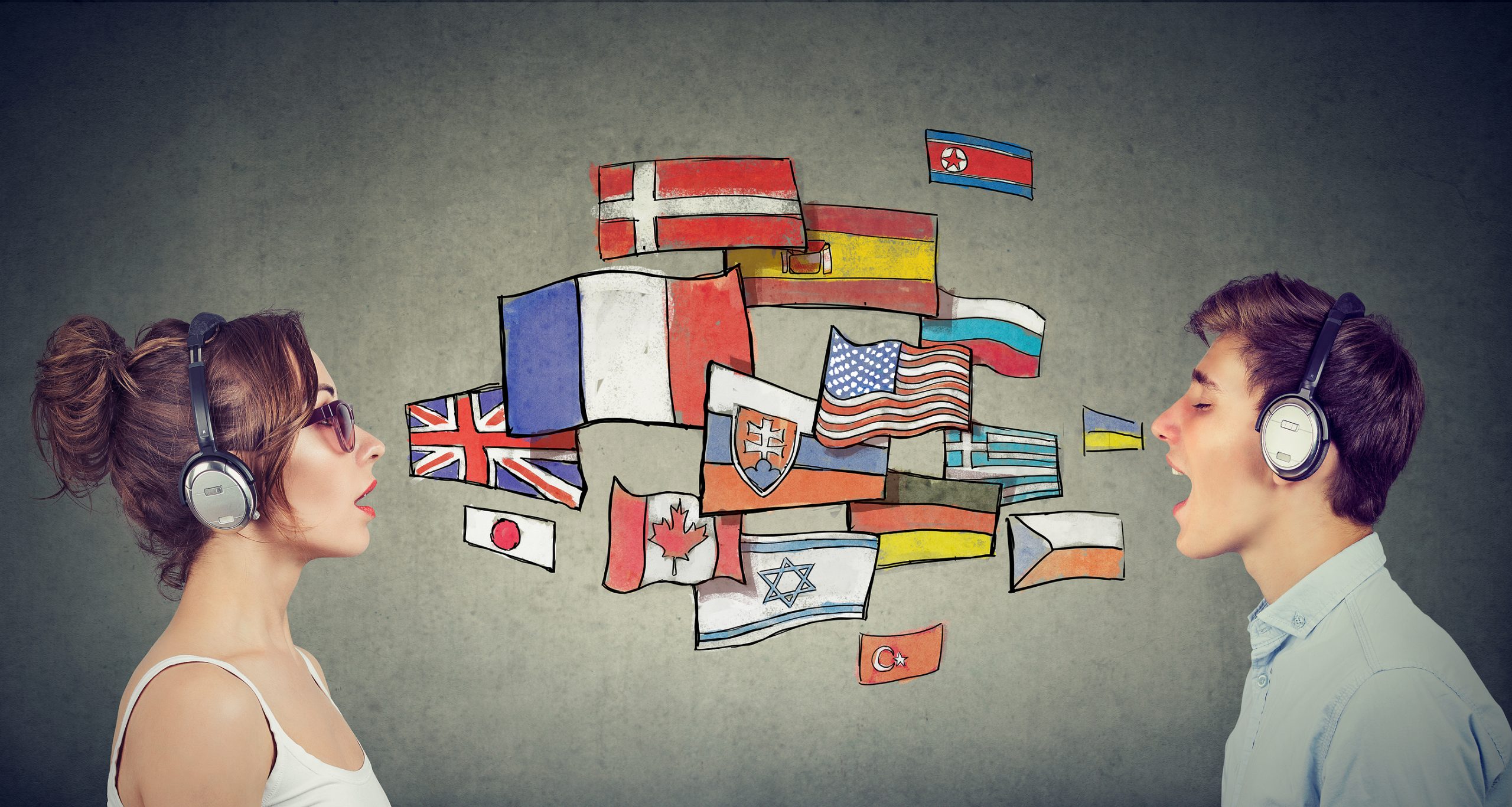
Examples of Different Cultures from Every Continent
Summary
Home to a diverse array of cultural groups with remarkable traditions, the world offers a custom way of life for every group to go about its business. But for cultures in any part of the world, it's a virtual certainty that another part of the world hasn't even a clue about what's going on—activities that are often deemed "strange," if they're deemed anything at all. This blog's primary aim is to explore the very private matter of what cultures do in their private matters across the continents, as well as the public acts they put on display for all the world to see.
1.What Defines a Culture?
Often described as the shared behaviors, values, customs, and traditions, culture characterizes a group of people. The kind of cultural practices one group shares can be influenced by various factors: Geography: The physical environment and its impact on daily life.
Faith: The deeply held tenets that form the basis of one's belief. Practices: The disciplined, habitual ways that translate belief into lived experience.
Communication: The system that connects people in a community. The expression of thought, in whatever medium, is communication. People throughout history have found various ways to communicate. They have developed countless methods of expression, not just in languages we know today, but often in unique, unduplicated ways. They have formed as many communities—small and large, local and global—in all kinds of settings, as those communities have been in all kinds of historical circumstances.
Historical events have influenced the growth of societies.
Cultures shape the lives, work, and interactions of people. Green Subsection: Culture shapes how people live, work, and interact.
2.Examples of Different Cultures by Continent
1. African Cultures
Africa is a continent teeming with myriad forms of cultures. The disparity among them within the continent is striking, with more than 3,000 individual ethnicities, tongues, and custom forms.
Maasai (Kenya and Tanzania): The Maasai, famed for their warrior culture, for being an iconic example of practices of the past that have changed little over the years, and for their almost outlandish appearance. Anyone who set eyes on a Maasai in the past century was seeing an almost perfect representation of a millennia-old culture.
Zulu (South Africa): The second most spoken language in South Africa, Zulu is the mother tongue of approximately 10 million people. More than 50% of the people of KwaZulu-Natal speak Zulu.
Berbers (North Africa): Indigenous to the Maghreb region, the Berber people have a profound cultural link to the territory and are famous for their age-old handicrafts and languages.
2. Asian Cultures
Asia has some of the world's most ancient and powerful cultures. The Confucianism-influenced cultures of East Asia, like that of China, are just as diverse in their ways as the spiritual practices of South Asia. Here’s an oversimplified sketch, offering just a few brush strokes, of the cultures that make up Asia.
Chinese Culture:
One of the world’s oldest continuous cultures, Chinese culture emphasizes family, respect for elders, and Confucian values. The art of calligraphy, tea ceremonies, and traditional medicine are deeply rooted in Chinese culture.
The Culture of India:
Indian culture is as big as it is diverse; it's a vast tapestry. Indian culture celebrates many forms of artistic expression. The Indian musical tradition alone encompasses a wide variety of styles and forms.
Japanese Culture: Famous for its age-old tea ceremonies and unique arts such as Ikebana (flower arranging), Japanese culture still remains steeped in ancient practices mixed with modern sensibilities.
The culture of India, where Hinduism and Buddhism originated, is known for its deep and widespread spiritual practices, its many and diverse languages, and its multitude of festivals. You may also be aware that traditional Indian dances (like Bharatanatyam, with its thousands of years of history) are very important. Perhaps you attribute great importance to Indian food and family culture. And then there’s the array of vibrant colors and the profusion of dramatic visual imagery that enrich various facets of Indian life.
3. European Cultures
A multitude of types of cultures exists in Europe, and many of them have profoundly affected world history, art, and philosophy.
French Culture: Celebrated for its art, philosophy, cuisine, and fashion, French culture is among the most powerful in the world. The French place a premium on language and take great pride in their linguistic culture.
Greek Civilization: The Greeks made an enormous impact on what we now know as the Western world, especially when it comes to things like foundational thought (i.e., philosophy), systems of governmental rule (i.e., democracy), and creative expression (i.e., modern art). They are known today for their mouthwatering food, infectious musical rhythms, and vibrant, ancient traditions.
Scandinavian Cultures (Denmark, Sweden, Norway): Cultures in Scandinavia are known for their high quality of life, progressive social policies, and enjoy being outdoors doing pursuits such as hiking and skiing.
4. North American Cultures
A diverse mix of cultures shapes North America. These cultures come from many sources: Indigenous peoples, European settlers, and immigrant communities of all kinds. They have all had a hand in shaping the place we overlook today.
The cultures of over 500 distinct tribes make up the ancient traditions of Native American culture. These rich traditions encompass art, storytelling, and spirituality. All manner of creative expression is held in high regard. Native Americans have a profound respect for nature. Many of their festivals celebrate seasonal shifts and the harvesting of crops.
U.S. Culture: Usually described as a unique mixture of individualism and freedom, American culture merges so many diverse elements from across the globe that it is hard to define. It is a focus on entertainment, and with the presence of entertainment globally, it becomes a U.S. focus on globally dominated entertainment. Its focus is on innovation and, with the element of entertainment, it blends toward that diversity. It becomes hard to really find or highlight any distinct element because something distinctly U.S. very often has elements of something from not only North America or Canada but also with significant elements (that we can't just ignore, which are also mixed in) of European culture from across the Atlantic, too.
Canadian Culture: Famous for its multiculturalism, Canadian culture revels in its British and French heritages, along with the contributions of indigenous communities.
5. South American Cultures
The cultures in South America are varied and vibrant, ranging from those of the Andes to others formed by colonial influences. The following list highlights some of the cultures of South America, along with their places of origin.
Incan Culture (Peru): An advanced ancient civilization, the Incas possessed remarkable achievements in architecture and impressive strength in agriculture. Today, the culture of Peru embodies a unique mixture of the ancient traditions of indigenous peoples and of Spanish influences.
Brazilian Culture: Brazil is recognized for its vibrant festivities such as Carnival, its samba music, and its intense passion for football (the sport known to most of the world as soccer). Brazilian culture has much in common with the cultures of the continent's other countries, notably those of its close neighbors along the Atlantic coast. These cultures share vibrant, colorful traditions marked by a mixture of indigenous, African, and European influences. Also sharing in these practices—Belem, Bahia, and a dozen other Brazilian cities—are the many crumbling colonial villas, street parties, shrub-choked back courtyards and alleyways, and fig trees under which almost every Brazilian family can be found every Sunday, as they have for more than a century.
Argentine Culture: Renowned for the tango, Argentine culture reflects a mix of European and indigenous influences, with a potent strain of family and tradition running through its seemingly diverse tastes.
6. Oceania and Pacific Cultures
In Oceania, a blend of indigenous traditions and colonial and contemporary global interactions shapes a diverse cultural scene.
Maori Culture (New Zealand): The indigenous Maori people have an age-old practice of tattooing, which is considered a high art form. They are also known for their wooden carvings, which are integral to their building structures and personal adornments. Furthermore, their culture is steeped in a rich oral history and is almost entirely unfazed by the passage of time.
Indigenous Culture (Australia): The Indigenous cultures of Australia have one of the world's oldest continuing cultures. Their art, stories from the Dreamtime, and veneration of nature and ancestors make them unique.
(Hawaii, Fiji, Tahiti): Cultures of the Pacific are known for their navigational skills, traditional tattooing, and strong familial ties. The way of life among these cultures places a high value on community and respect for elders.
3.The Influence of Culture on Society
Culture has a huge influence on how societies function and how individuals interact within them. It has an impact in the following areas:
Cultural customs, behaviors, and rituals are unique and guide the interactions of individuals within a society. Greetings are a social interaction that is guided by the culture of the individual. Following are examples of how social greetings are performed in different cultures. Appearance: Dress codes are unique to the cultures that guide them. Following are examples of dress codes from different cultures.
Values and Beliefs: Communities are shaped by cultures, making their core values—in Asian cultures, respect for the elders, or the Western emphasis on individual rights—an important part of the community's identity.
Art and expression: Culture sways the brushstrokes of artistic expressions, from African drumming to Indian classical dance. It molds how communities make and esteem art, music, and literature.
Conclusion
Every continent has its own examples of cultures that showcase the incredible diversity of human societies. Even though different types of cultures might not seem related to one another, at least on the surface, they all contribute to the same end—a rich tapestry of human civilization that is incredibly varied and textured. If you ask me, understanding and appreciating these differences is the key to fostering greater respect and harmony in our wonderfully interconnected world.
FAQs
Question 1: What are some global cultures?
Question 2: How does culture differ across continents?
Question 3: What defines a cultural group?
- People live, interact, and express themselves in many different ways because of the many different cultures they are part of.
- The cultural groups of the world exert a powerful influence over individual and collective values, traditions, and behaviors. Indeed, it is the many distinct cultural groups that make up the world that lends the global tapestry its great variety, importing a multitude of forms, colors, and textures into the society of nations.
- Accepting various cultures promotes understanding, a sense of oneness in global citizenship, and respect for all.